If you are wondering what a superfood and how we select the ones we use, here is our criteria. Superfoods we use are known by nutritionists and proven by studies to a net positive on your system.
What Makes a Superfood
What exactly earns foods this “super” status? There are a number of key characteristics that qualify foods as top-tier nutritional powerhouses conferring greater benefits for vitality, longevity, and wellness. Superfoods tend to possess many of the following beneficial properties:
- Nutrient dense – Packed with vitamins, minerals, fiber and other beneficial nutrients with relatively low calories
- High in fiber – Fiber promotes healthy digestion, gut health, and heart health
- Lower glycemic index – Do not spike blood sugar levels as drastically as high GI foods
- Resistant starches – These carbs resist digestion and act like fiber providing similar health benefits
- Whole and minimally processed – Closest to natural state, preserving nutrient density
- Packed with vitamins and minerals – Contain a high concentration of essential vitamins and minerals
- Rich in dietary fibers – Different types of beneficial fiber improve digestion, gut health
- High-quality proteins – Easy to digest proteins with abundant essential amino acids
- Very low in sugars and refined carbs – Prevent unhealthy blood sugar spikes
- Gluten-free – Safe for those with celiac disease or gluten intolerance
- Low in potential allergens – Less likely to cause allergic reactions
- High in antioxidants – Help prevent cell damage from free radicals
- Anti-inflammatory effects – Help reduce systemic inflammation underlying some diseases
- Support overall health – Benefit general wellness and vitality
- Associated with disease risk reduction – Linked to lower rates of certain chronic illnesses
- Low in lactose – Lactose-free for those unable to tolerate dairy
- High in healthy fats – Omega-3 and monounsaturated fats promote heart and brain health
- Prebiotic – Nourish healthy gut bacteria
- Phytochemical-rich – Natural plant compounds fight disease and inflammation
- Alkalizing effect – Counter acidity and inflammation
- Low glycemic load – Minimize blood sugar spikes
- Immune-boosting – Support immune health with key nutrients
- Skin-enhancing – Improve hair, skin and nails
- Hormone-regulating – Promote healthy estrogen metabolism
- Detoxifying – Help rid body of toxins and heavy metals
Types of Superfoods
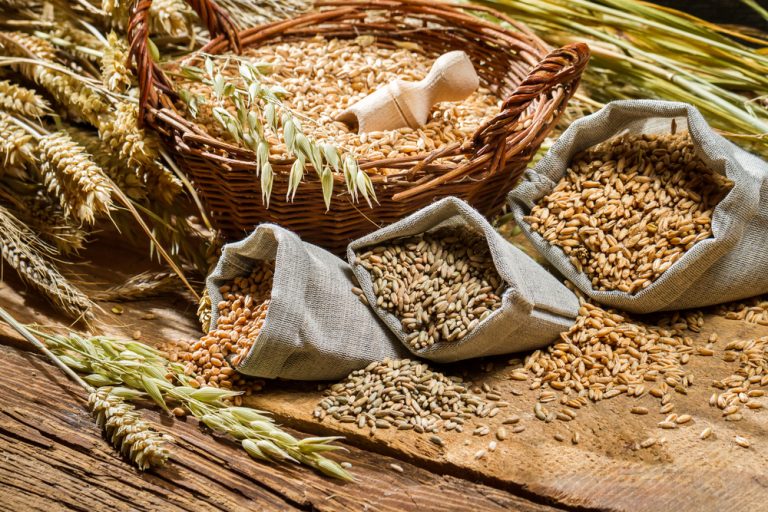
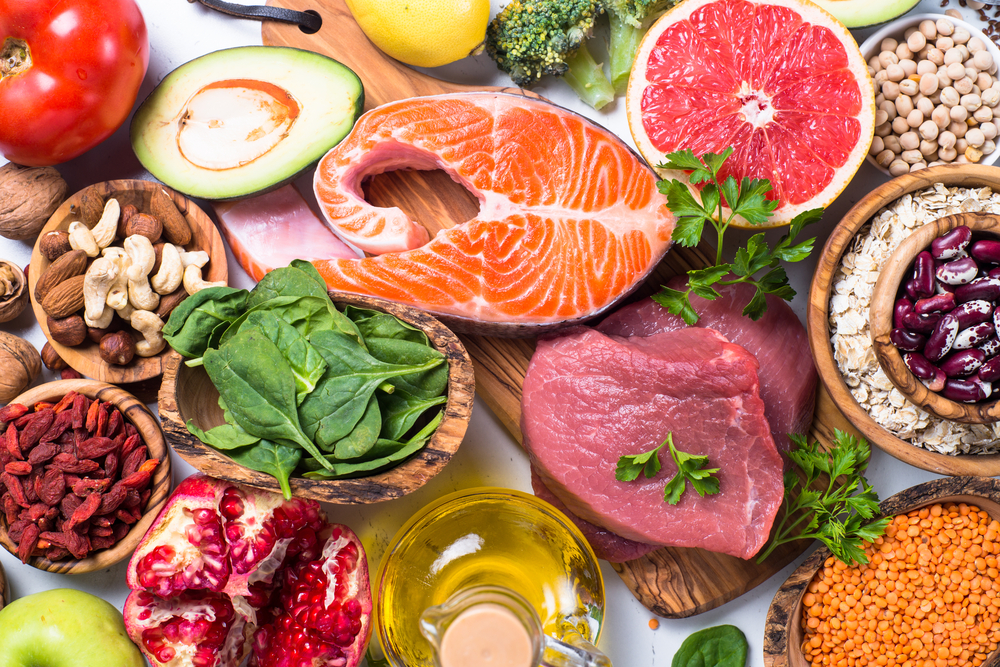
- Grains: Superfood grains include such stalwarts as such as quinoa, barley, oats, and teff.
- Beans and Legumes: This category includes superfood beans like black beans, lentils, chickpeas, and kidney beans.
- Nuts and Seeds: Almonds, chia seeds, flaxseeds, hemp seeds, walnuts, and sunflower seeds are all examples of superfood nuts and seeds.
- Fruits: Certain fruits are considered superfoods because of their high nutrient content, like berries (blueberries, strawberries, raspberries), avocados, pomegranates, and acai berries.
- Vegetables: Some vegetables are superfoods due to their high nutrient density, such as kale, spinach, broccoli, Brussels sprouts, and sweet potatoes.
- Fish and Seafood: Certain types of fish and seafood are superfoods because of their high omega-3 fatty acid content, such as salmon, mackerel, sardines, and oysters.
- Herbs and Spices: Some herbs and spices are superfoods because of their powerful antioxidant and anti-inflammatory properties, such as turmeric, ginger, garlic, and cinnamon.
- Fermented Foods: Fermented foods like yogurt, kefir, sauerkraut, and kimchi are considered superfoods because they are high in probiotics, which promote gut health.
- Beverages: Certain beverages like green tea and matcha are superfoods because they are rich in antioxidants, particularly a type of antioxidant called catechins.
- Unique Superfoods: This category includes unique superfoods that don’t fit into the above categories, such as dark chocolate, bee pollen, spirulina, and various superfood powders and supplements.
Superfood Diets
Before now, superfoods did not comprise a diet unto themselves. However, when looking at the most well-researched and recommended diets worldwide, from Blue Zone diets to plant-based and specialized eating plans, you’ll find superfoods forming the nutritious core of all of them. The nutrimental-powerhouses of superfood vegetables, fruits, whole grains, nuts and seeds underpin vitality and wellbeing across various healthy eating patterns.
By concentrating the superfoods integral to these previously studied diets into one regimen, you will . This first-of-its-kind eating plan centers entirely around the most nutritionally-dense ingredients proven across diets worldwide.
More than just incorporating superfoods, the Superfood Diet spotlights them as the main building blocks optimized for longevity, health and wellness.
- Mediterranean Diet: The Mediterranean diet is known for its emphasis on fresh fruits, vegetables, whole grains, lean proteins (including fish), and healthy fats (olive oil, nuts). Superfoods like olive oil, leafy greens, tomatoes, and fatty fish (e.g., salmon) are staples of this diet.
- Blue Zone Diet is a dietary pattern inspired by the eating habits of communities in Blue Zones, regions known for their long and healthy lifespans. It emphasizes whole, plant-based foods, lean proteins, and heart-healthy fats, with an emphasis on local, seasonal ingredients and mindful eating practices, all contributing to longevity and well-being.
- Superfood Diet is a dietary approach that prioritizes the consumption of nutrient-dense foods known as superfoods. These superfoods are rich in vitamins, minerals, antioxidants, and other beneficial compounds, promoting overall health and well-being when incorporated into a balanced eating plan.
- Plant-Based Diet: Vegetarian and vegan diets, which emphasize plant-based foods and reduce or eliminate animal products, often include superfoods like quinoa, chia seeds, spinach, kale, and berries as essential components.
- DASH Diet: The Dietary Approaches to Stop Hypertension (DASH) diet is designed to lower blood pressure and promote heart health. It encourages foods rich in potassium, calcium, and fiber, such as leafy greens, berries, nuts, and lean proteins.
- Paleo Diet: While the paleo diet primarily focuses on whole, unprocessed foods, it often includes superfoods like nuts, seeds, lean meats, seafood, and fruits like berries.
- Flexitarian Diet: This flexible approach to eating encourages primarily plant-based foods but allows for occasional inclusion of animal products. Superfoods like quinoa, beans, tofu, and leafy greens can be prominent in a flexitarian diet.
- Raw Food Diet: The raw food diet promotes the consumption of uncooked and unprocessed foods. Many superfoods, such as fruits, vegetables, nuts, and seeds, are central to this dietary pattern.
- Anti-Inflammatory Diet: Anti-inflammatory diets aim to reduce inflammation in the body by emphasizing foods with anti-inflammatory properties. Superfoods like berries, fatty fish, turmeric, and leafy greens are often included.
- Superfood-Focused Diet: Some diets and meal plans are specifically designed around the concept of superfoods, where these nutrient-dense foods are prioritized in every meal. These diets often promote optimal health and well-being.
- Weight-Loss Diets: Superfoods are sometimes incorporated into weight-loss diets to provide essential nutrients while keeping calorie intake in check. Examples include using berries, lean proteins, and leafy greens in weight-loss meal plans.
- Functional Nutrition Plans: Nutritionists and healthcare providers may recommend functional nutrition plans that include superfoods to address specific health concerns or conditions, such as managing diabetes or supporting cognitive health.
Superfoods in a diet can vary based on individual preferences, dietary restrictions, and specific health goals. A well-balanced diet that incorporates a variety of nutrient-dense foods, including superfoods, can contribute to overall health and well-being.
Types of Superfood