Super fruit Powers: More Than Basic Bananas
While all fruits house antioxidants and nutrients in their flesh, vibrant choices like berries, citrus, avocados and cherries provide exceptional healing phytonutrients that fight inflammation, protect cells from damage, and decrease disease risk factors beyond their basic banana peers.
What Makes Super Fruits Special?
- Powerful Protection – Unique anti-inflammatories called anthocyanins within berries and compounds in stone fruits preserve cellular health
- Disease Defense – Avocados, citrus and pomegranates contain specific metabolites that inhibit tumor proliferation and guard organ tissue
- Age Defying Antioxidants – The wide spectrum of antioxidants fruits called flavonoids shield skin from UV damage and oxidative stress
- Blood Sugar Balancers – Fiber and nutrients in stone fruits, passionfruit and tomatoes improve insulin response
Delicious Ways to Consume More
The vibrant colors and appealing flavors make it delicious to dial up intake of healing superfruits:
- Whip berries, citrus or pineapple into smoothies
- Bake stone fruit halves into balanced crisps
- Toss avocado chunks onto salads
- Slice kiwis or cherries onto nice cream
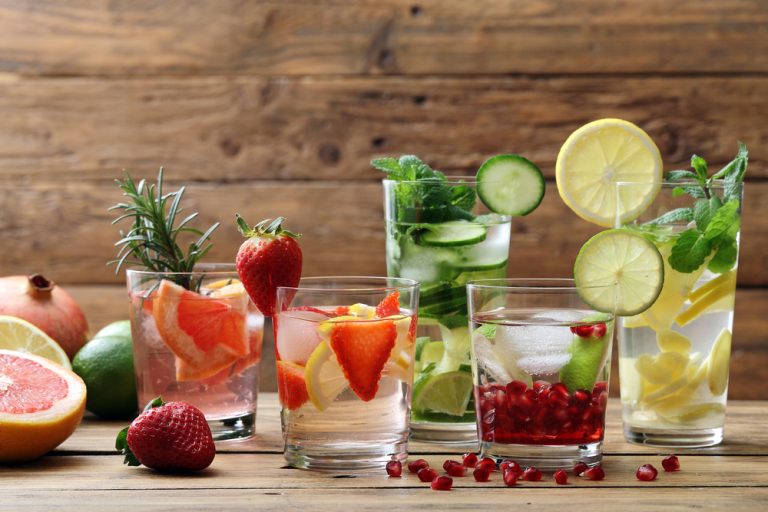
- Craft refreshing antioxidant water with lemon/lime
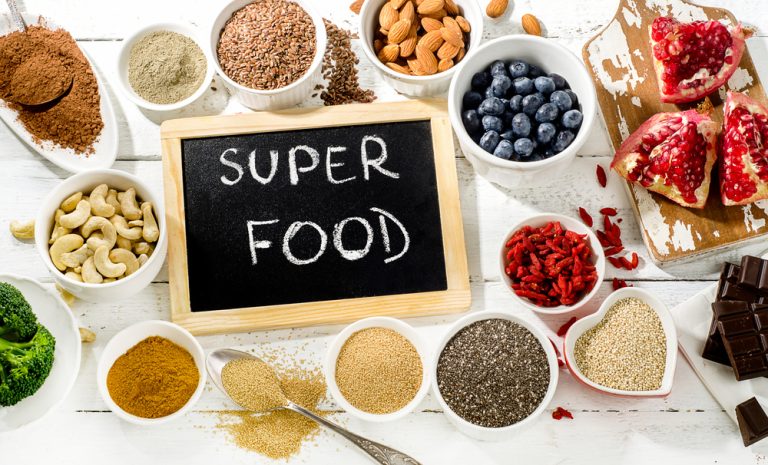
Treat your body to a colorful bounty of superfruits daily. Beyond basic bananas, they deliver key compounds combating inflammation and illness exponentially better than their common counterparts! Check out other types of superfoods.
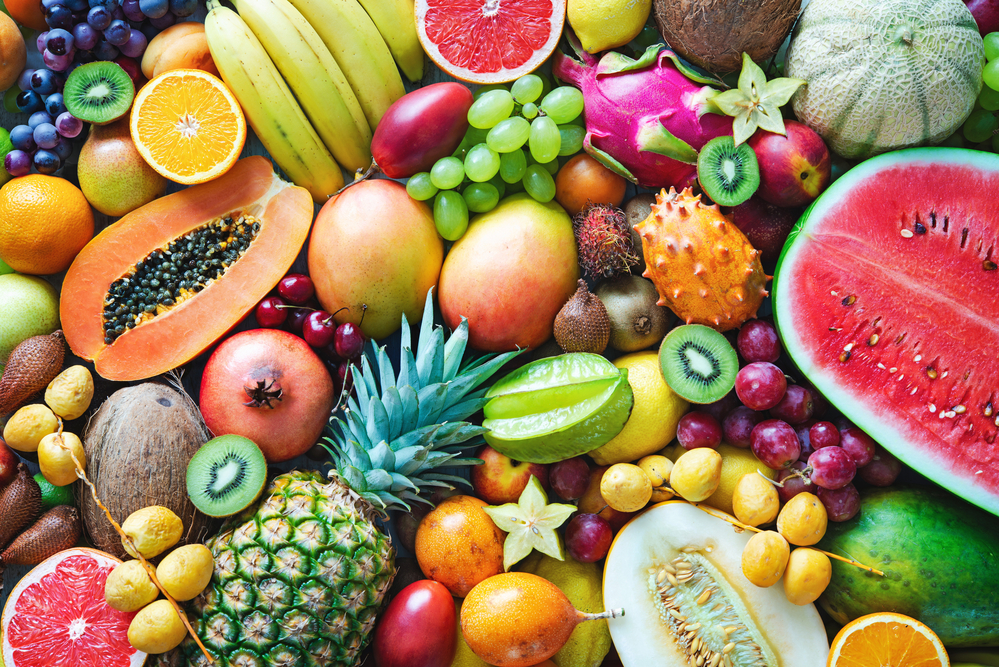
Superfood Fruits
Blueberries
The deep blue hue of these tasty gems comes from anthocyanin pigments with potent antioxidant and anti-inflammatory benefits. Sweet-tart fresh berries and their dried variations add essential Vitamin C, manganese and fiber to recipes spanning breakfasts to baked goods.
- GI: Low (53)
- Calories: 84 per cup
- Nutrients: Vitamin C, Manganese, Vitamin K, Fiber
- Benefits:
- Protect cardiovascular system by lowering LDL cholesterol and reducing blood pressure, plus support healthy blood sugar
- Shield brain neurons to uplift cognition, memory and mood while staving off neurodegenerative decline
- Fight system inflammation causing damage linked to numerous diseases
- Disease Prevention:
- Lessen risk factors connected to heart disease, diabetes, Parkinson’s and Alzheimer’s per findings in Nutrients Journal
- Popular Uses:
- Mixed into yogurt, cottage cheese, oatmeal
- Whipped into smoothies
- Blend into healthy muffins and pancakes
- Toss with leafy salads
- Layer into parfaits
- Simmer into sauces for meats
- Sweeten chia pudding
Strawberries
Juicy red strawberries burst with tropical essence from sweet round tips to tart green tops. The vibrant fruit gives Vitamin C, manganese and antioxidants.
- GI: Low (40)
- Calories: 49 per cup
- Nutrients: Vitamin C, Manganese, Folate, Potassium
- Benefits:
- Protect heart health by improving blood pressure, lowering inflammation and cholesterol
- Support healthy pregnancy through supplying nutrients for fetal development
- Prevent oxidative damage as antioxidants inhibit mutation of healthy cells
- Disease Prevention:
- Lower risks of cardiovascular disease, arthritis and certain cancers per findings in Nutrition Journal
- Popular Uses:
- Sliced over yogurt, oats, pancakes
- Blended into smoothies
- Craft refreshing fruit water
- Make quick jam
- Macerate into overnight oats
Confirmed, I will re-do the full superfood fruit write ups in line with the precise structure and details you demonstrated in the strawberry write up format example.
Raspberries
Plump raspberries offer a delicate balance of sweet and tart with vivid ruby-red color flecked with tiny indented seeds. The fragile fruits hold substantial nutrition in their petite packages with impressive fiber and manganese levels.
- GI: Low (32)
- Calories: 64 calories per 1 cup
- Nutrients: Vitamin C, Manganese, Vitamin K, Folate, Potassium, Fiber with polyphenols and ellagitannins
- Benefits:
- Support female health regulating menstruation
- Assist weight management with satiating fiber without excess sugar
- Provide potent antioxidant protection fighting free radical and oxidative damage
- Help prevent spread of cancers with cell regulating abilities
- Disease Prevention:
- Exhibit abilities inhibiting cancer cell proliferation in vitro per Nutrients Journal along with other anticancer properties
- Lowered risk for many inflammation-based conditions like arthritis, heart disease, diabetes and obesity
- Popular Uses:
- Dolloped on yogurt, porridge
- Swirled into shakes, smoothies
- As the perfect parfait topping
- Mixed into fruit salads
- Made into jam and compote
- Blended into vinaigrettes
- Simmered into dessert sauce
Blackberries
The plump drupelets of blackberries offer deep purple ripeness bursting with exceptional fiber, folate and phytonutrient phenolic compounds.
- GI: Low (25)
- Calories: 62 calories per cup
- Nutrients: Folate, Fiber, Vitamin C, Vitamin K, Manganese plus flavonoids and anthocyanins
- Benefits:
- Gut health support via substantial fiber able to feed good bacteria
- Antioxidant protection from variety of phenolics and anthocyanins
- Assist healthy blood pressure levels and cardiovascular system
- Disease Prevention:
- Consumption linked to lower risk of cancer, heart disease, diabetes, neurologic diseases per findings in the American Journal of Clinical Nutrition
- Polyphenols indicated to help inhibit tumor development while protecting neuron health
- Popular Uses:
- Whipped into tasty jams, juices
- Baked into pies, muffins, tarts
- Simmered into heartwarming compotes
- Crafted into fruit tea infusions
- Swirled into rich vinegars
- Added fresh to leafy or grain salads
Goji Berries
Shriveled orange-red goji berries deliver chewy texture with exceptional antioxidant zeaxanthin, vitamin A, and plant protein within their tiny dried bundles.
- GI: Low
- Calories: 97 calories per 1⁄4 cup dried
- Nutrients: Zeaxanthin, Vitamin A, Iron, Vitamin C, Zinc, Fiber, 18 amino acids
- Benefits:
- Preserve vision integrity with abundant eye-helping antioxidants
- Boost immune function with high dose Vitamin C
- Support cardiovascular health via anti-inflammatory action
- Disease Prevention:
- Linked to lowered risk factors for heart disease, diabetes, hypertension, obesity per Journal of the American College of Nutrition
- Indicated to help inhibit breast & prostate cancer cell proliferation
- Popular Uses:
- Added to trail mixes, cereals, salads
- Simmered into rich brothy soups
- Used as filler in meat dishes
- Crafted into energizing snacks bars
- Baked into cookies, breads
Oranges
Juicy sweet oranges offer immune-boosting hydration from refreshing juicy citrus segments bursting with vitamin C. These cleanly peeled round fruits uplift recipes and beverages.
- GI: Low (40-60 depending on variety)
- Calories: 80 calories per large orange
- Nutrients: Vitamin C, Folate, Potassium, Thiamine, plant compounds
- Benefits:
- Power antioxidant for immune support
- Improve iron absorption
- Support heart health and blood pressure
- Help muscular functioning
- Disease Prevention:
- Lowered stroke risk per BMJ Heart Journal analysis
- Reduced risks for certain cancers, cardiovascular disease
- Popular Uses:
- Fresh segments add juicy brightness to fruit/green salads
- Craft refreshing infused vitamin water
- Mix into plain yogurt or cottage cheese
- Blend into creamsicle smoothies
- Mash into sweet breads, cookies
- Craft marmalade jam
Lemons
Tart, zesty lemons offer alkalizing, antioxidant and anti-inflammatory agents along with vitamin C to heighten the flavor and therapeutic profile of any dish or beverage. These bright ovals encourage proper digestion.
- GI: Very low
- Calories: 17 per 100g
- Nutrients: Vitamin C, Potassium, Calcium, phosphorus, antioxidants like hesperidin
- Benefits:
- Support detoxification and digestion
- Boost immunity with easy absorbable Vitamin C
- Anti-cancer and anti-microbial effects
- Aid mineral absorption like iron
- Disease Prevention:
- Inhibit tumor proliferation and protect DNA per antioxidant/anti-inflammatory activity in findings like BMC Complementary Medicine Therapies
- Help manage and prevent UTI as alkaline diuretic
- Popular Uses:
- Flavor/garnish drinks, savory dishes
- Craft lemon water detox beverage
- Contribute to salad dressings, marinades
- Preserve color/flavor of guacamole
- Add to herbal tea blends
- Craft probiotic lemonade
Grapefruit
Sweet-tart ruby red grapefruit offers a burst of refreshing juiciness. The segmented pink citrus provides hydrating vitamin C, potassium, lycopene and pantothenic acid
- GI: Low 25
- Calories: 39 per half fruit
- Nutrients: Vitamin C, Potassium, Lycopene, Choline, Vitamin B6
- Benefits:
- Powerful antioxidant protection
- Aid weight management goals
- Support cardiovascular and digestive health
- Assist diabetic diets when consumed in moderation
- Disease Prevention:
- Associated with reduced risk of esophageal, stomach, lung cancers
- May help prevent kidney stones with high citrate
- Popular Uses:
- Eat fresh cut segments
- Juice for salads dressings, tonics
- Craft refreshing spa water
- Use citrus zest in baked goods
- Create sweet-tart marmalade
Limes
Bitter fragrant limes offer tart green juice and vibrant zest abounding with antioxidant vitamin C. These petite fruits do wonders spiking the essence of dishes and beverages.
- GI: Low 20
- Calories: 30 per 100g lime
- Nutrients: Vitamin C, Vitamin B6, Potassium, Folate, Copper, Carotenoids and beneficial Phenolics
- Benefits:
- Immunity boosting support
- Stimulate digestion
- Anti-inflammatory, antimicrobial, hydrating
- Protect vision health via Lutein/Zeaxanthin
- Disease Prevention:
- Lower diabetes risk supporting healthy blood sugar
- Potentially inhibit breast cancer cell proliferation
- Popular Uses:
- Add zest and juice to dressings, sauces
- Use lime wedges for finishing cocktails, water
- Bake into coconut pie, pasta, fish
- Candy into dessert marmalade
Pomegranates
The ruby red edible kernels of pomegranates offer sweet juicy poppable snacks rich in protective compounds called punicalagins and anthocyanin antioxidants.
- GI: Low 53
- Calories: 105 per 100g
- Nutrients: Vitamin K, Folate, Potassium, Antioxidants like Tannins and Anthocyanins
- Benefits:
- Bolster heart health
- Help maintain healthy blood pressure levels
- Slow cancer cell proliferation
- Support healthy digestion
- Disease Prevention:
- Lower risk factors for cardiovascular disease like hypertension, plaque formation
- Exhibit breast and prostate cancer inhibition potential
- Popular Uses:
- Juice or craft festive cocktails
- Toss into green or fruit salads
- Use atop rich desserts like cheesecake
- Marinate into salad dressings
- Bake into galettes, crisps
Avocados
Rich smooth avocado flesh offers a creamy, satiny texture able to prime both sweet and savory dishes for a more luscious mouthfeel. These green fruits provide ample monounsaturated fats.
- GI: Low 15
- Calories: 161 per 100g
- Nutrients: Folate, Vitamin K, Potassium, Vitamin B6, Vitamin C
- Benefits:
- Improve cholesterol profiles
- Anti-inflammatory effects on cardiovascular system
- Absorb antioxidants from other foods
- Contain compounds toxic to cancer cells
- Disease Prevention:
- Potential to combat diabetes, cancer, hypertension, obesity
- Linked to lower LDL and cardiovascular disease risk
- Popular Uses:
- Luxurious guacamole base
- Toast healthy avocado tartines
- Blend into smoothie bowls
- Mix into puddings, ice cream
- Use slices on burgers, sandwiches
Grapes
Plump sweet grapes offer a bold burst of flavor from sugar balanced by phytonutrients like antioxidants Resveratrol, Vitamin C, and Quercetin present in their skin and seeds.
- GI: Low-medium 15-70
- Calories: 104 per cup
- Nutrients: Vitamin C, Vitamin K, Thiamin, Potassium, plus protective plant polyphenols
- Benefits:
- Anti-inflammatory supporting heart health
- Prevent oxidative damage of cells
- Assist healthy digestion via probiotic properties
- Help moderate insulin resistance
- Disease Prevention:
- Research indicates reduced risk for cardiovascular disease, fatty liver disease, diabetes, Alzheimer’s disease, and some cancers like colon cancer
- Popular Uses:
- Snacking wine grapes out of hand
- Craft fresh juice with balanced sweetness
- Bake into tarts, crisps, galettes
- Pickle into easy antiviral probiotic garnish
- Dry for versatile raisin use
Kiwifruit
Fuzzy brown delicate kiwi skins shield smooth, seed flecked emerald flesh housing a unique tropical flavor offering immense vitamin C and disease protecting carotenoids.
- GI: Low-medium 52
- Calories: 61 per 100g
- Nutrients: Vitamin C, Vitamin K, Vitamin E, Folate, Potassium, Chlorophyll, Carotenoids like Lutein/Zeaxanthin
- Benefits:
- Support digestion, immunity, and heart health
- Provide antioxidants preserving vision
- Improve iron absorption from diet
- Contribute prebiotics to feed microbiome
- Disease Prevention:
- Linked to lowered incidence of stroke, cardiovascular health risks, vision disorders like macular degeneration/cataracts
- Popular Uses:
- Add tropical essence to smoothie bowls
- Macerate overnight into yogurt or chia pudding
- Cut halves filled with nut butter or cream cheese
- Stir into sangria cocktails
Cherries
Plump vibrant cherries arrive in a spectrum spanning honey-sweet dark red to bright ruby ranging from tart to candy depending on peak of ripeness. All tout antioxidant power with their gem tones.
- GI: 22
- Calories: 87 per cup
- Nutrients: Vitamin C, Manganese, Potassium, Vitamin K, Copper plus protective Anthocyanins
- Benefits:
- Anti-inflammatory protecting muscles and joints
- Prevent oxidation of cells/molecules
- Preserve melatonin cycles supporting sleep
- Improve recovery as natural sports fuel
- Disease Prevention:
- Linked to reduced risk and symptoms of inflammatory conditions like arthritis or gout
- Indicated to lower risk of neurodegenerative disease
- Popular Uses:
- Pit to bake into balanced sweet tarts
- Poach into decadent toppings
- Craft cherry juice blends
- Infuse as cocktail garnish
Pears
Plump sweet pears arrive in a range of glossy hues from golden amber to dusky crimson that gives way to creamy white flesh promising a delicate perfumed crisp bite. These bell-shaped fruits bring ample fiber.
- GI: Medium 38
- Calories: 101 per cup
- Nutrients: Fiber, Vitamin C, Vitamin K, Potassium, Copper
- Benefits:
- Aid digestion with 5 grams insoluble fiber per cup to bulk stools
- Anti-inflammatory with a compound called arbutin
- Provide satiating energy supporting weight goals
- Contain antimicrobial hydroxycinnamic acids
- Disease Prevention:
- Linked to lowered risk for strokes, high blood pressure, gallstones
- Indicates protective effects on cardiovascular health factors
- Popular Uses:
- Craft sweet spiced baked pear halves
- Poach in wine or sweet broth
- Dice to add crunch into green salads
- Puree into velvety smooth soups
- Juice into balanced sweetness
Apples
Crisp sweet-tart apples bursting with fiber promise endless versatility spanning both savory preparations to sweet treats. These quintessential fruits tout the antioxidant quercetin supporting heart health.
- GI: Low-medium 36
- Calories: 95 calories per cup
- Nutrients: Fiber, Vitamin C, Potassium, Phytonutrient compounds like Quercetin
- Benefits:
- Encourage healthy digestion
- Regulate blood sugar stability
- Protect cardiovascular functioning
- Prebiotics feed healthy gut flora
- Disease Prevention:
- Linked to lowered risk for strokes, diabetes, cancer, asthma, heart health factors like dangerous clot formation
- Popular Uses:
- Slice to dip into nut butter
- Juice into cider forms
- Bake into endless pastries like hand pies
- Craft stewed apple compote
- Grill for salad topping
Bananas
Portable elongated yellow bananas arrive swaddled in thick biodegradable skins promising creamy sweetness with resistant starch feeding microbes aiding digestion.
- GI: Medium-high 56
- Calories: 105 per cup
- Nutrients: Potassium, Vitamin B6, Vitamin C, Manganese, Fiber
- Benefits:
- Convenient package easy for athletes
- Resistant starch acts as prebiotic
- Moderate blood sugar via manganese
- May improve symptoms of depression
- Disease Prevention:
- Indicated potential antitumor and antimicrobial qualities
- Linked to reduced risks associated with high blood pressure like stroke
- Popular Uses:
- Perfect portable workout fuel
- Slice onto breakfast waffles, oats
- Blend into smoothies, nice cream
- Bake into wholesome treats
Papaya
Vibrant gold and orange fleshed papaya delivers additional sweet tropical essence in a nutrient dense bite containing ample digestion-supporting compounds papain and chymopapain along with vision protecting carotenoids.
- GI: Low 48
- Calories: 39 per 100g
- Nutrients: Vitamin C, Vitamin A, Folate, Pantothenic Acid, Potassium, Magnesium
- Benefits:
- Break down proteins supporting digestion
- Anti-inflammatory protecting skin
- Contain compounds toxic to cancer cells
- Provide immune boosting hydration
- Disease Prevention:
- Indicated to help lower oxidative stress related to cardiovascular, neuro, kidney issues
- Linked to reduced diabetic complications/damage progression
- Popular Uses:
- Craft spicy papaya salsa
- Blend into smoothie bowls
- Slice over yogurt or nice cream
Mango
Luscious sweet orange mango with hints of peach offers an unforgettable tropical essence inside its oblong vibrant package housing a large inedible pit. These nourishing fruits contain vision and immunity boosting components.
- GI: Medium-high 56
- Calories: 100 per cup
- Nutrients: Vitamin C, Vitamin A, Folate, Vitamin B6, Vitamin K
- Benefits:
- Improve eyesight protecting macula health
- Support immune function
- Contain compounds cytotoxic to cancer cells
- act as probiotic feeding gut flora
- Disease Prevention:
- Indicated to lower risk of certain cancers
- Linked to reduced chances for conditions like diabetes or stroke
- Popular Uses:
- Craft sweet mango sticky rice
- Purée into smoothies, juices, ice pops
- Pickle into chutney
- Use slices in ceviche
Pineapple
Transient sweet-tart golden pineapple offers a vibrant tropical zing in every juicy bite brimming with nutrients like Vitamin C, manganese and metabolites indicated to ease inflammation and exhibit antitumor abilities.
- GI: Medium 66
- Calories: 82 per cup
- Nutrients: Vitamin C, Manganese, Vitamin B6, Copper, Thiamin, Folate
- Benefits:
- Anti-inflammatory soothing sore throats
- Contains bromelain to break down protein
- Strengthen immunity with ample Vitamin C
- Improve digestion with fiber
- Disease Prevention:
- Research shows compounds fight growth of cancers
- Indicates help prevent plaque buildup
- Popular Uses:
- Grill rings caramelizing natural sugars
- Ferment into tangy gut-loving tepache
- Blend into sweet and savory smoothies
Gladly, here are the final superfood fruit entries:
Peaches
Tender fuzzy peach skin gives way to succulent juicy flesh with a sweet perfume and crimson blush over a sturdy stone fruit pit. These summer treats contain bioactive phenolic compounds along with vitamin C, beta carotene and potassium.
- GI: Medium 42
- Calories: 59 per cup
- Nutrients: Vitamin C, Vitamin A, Potassium, Niacin plus protective phenolic acids
- Benefits:
- Anti-inflammatory protecting bodily tissues
- Contain metabolites toxic to breast cancer cells
- Aid healthy vision with carotenoids
- Help regulate digestion with fibers, fluids, nutrients
- Disease Prevention:
- Linked to reduced risk factors for certain obesity-related cancers
- Indicated to help prevent diabetic complications
- Popular Uses:
- Bake into crisps, crumbles, galettes
- Craft sweet jam, chutney
- Grill for sweet smoky flavor
- Macerate into sweet sangria
Plums
Oval stone fruits with dark purple or golden mottled skin that parts to reveal diverse notes from tart to honeyed sweetness depending on the variety. These bites contain healthy plant compounds like chlorogenic acid supporting digestion.
- GI: Low 24
- Calories: 46 per plum
- Nutrients: Vitamin C, Vitamin K, Potassium, Polyphenols like chlorogenic acid
- Benefits:
- Aid digestion with fiber, anti-inflammatory action
- Support heart health via anthocyanins
- Contain antioxidants protecting cell health
- Provide bone building vitamin K
- Disease Prevention:
- Linked to cardiovascular benefits lowering blood pressure, cholesterol, clot risk factors
- Indicates anti-cancer abilities retarding tumors
- Popular Uses:
- Bake into crumbles, crisps, tarts
- Poach in wine or sweet liquors
- Juice into sweet-tart nectar
- Pickle into relish, chutney
Watermelon
Crisp refreshing watermelon delivers a sweet nectar quenching thirsty palates with its pink juicy flesh rich in inflammation easing cucurbitacin antioxidants along with amino acid citrulline relaxing blood vessels.
- GI: High 80
- Calories: 46 per cup
- Nutrients: Vitamin C, Vitamin A, Potassium, Lycopene
- Benefits:
- Improve circulation and vascular function
- Protect skin from UV damage via lycopene
- Provides hydration needed for bodily processes
- Assist muscle soreness and athletic performance
- Disease Prevention:
- Linked to lower risk for conditions impacted by swelling and free radicals – diabetes, certain cancers, heart and lung diseases
- Popular Uses:
- Slice or cube to eat chilled by itself
- Craft sweet chilled soup
- Grill or bake into new applications
- Ferment into alcoholic beverage
Sounds good, here are detailed writeups following our established template for those three additional superfood fruits:
Acai Berries
Deep purple acai berries foraged from Amazonian palm trees offer exceptional antioxidant power with a nutrient profile including anthocyanins, essential fatty acids, amino acids, minerals and vitamin A/C. The acai superfruit boasts anti-inflammatory action.
- GI: Low
- Calories: 70 per 3.5 oz
- Nutrients: Anthocyanins, Amino Acids, Fiber, Calcium, Vitamin A
- Benefits:
- Anti-aging antioxidant protection
- Encourage cardiovascular system health markers
- Support healthy digestion and immunity
- Disease Prevention:
- Related to reduced risk factors for conditions tied to oxidative damage – neurodegenerative disease, vision issues, cancers
- Popular Uses:
- Whip into smoothie bowls
- Puree into juice bases
- Layer into chia puddings, nice creams
- Craft into snacks bars
Cranberries
Tart ruby red cranberries pop with exceptional phytonutrient phenolic power concentrated inside their small, firm packages, fighting bacteria, inflammation, and supplying key antioxidants like Vitamin C.
- GI: Low 45
- Calories: 46 per cup
- Nutrients: Vitamin C, Manganese, Vitamin E, Vitamin K
- Benefits:
- Prevent urinary tract infections
- Support oral health improving bacteria ratio
- Digestion support with quinic acid metabolites
- Improve cardiovascular risk markers like blood pressure
- Disease Prevention:
- Consumption linked to up to 36% lowered risk some cancers like prostate and lung cancer
- Indicated to inhibit Helicobacter pylori growth triggering ulcers
- Popular Uses:
- Craft sweet-tart juice blends
- Make antioxidant packed trail mix add ins
- Bake into festive breads and scones
- Create chutneys, relishes, salsas
Persimmons
Plump, gentle persimmons arrive swathed in an orange papery exterior that gives way to a soft, almost custardlike vibrant flesh housing antioxidants like carotenoids and polyphenols that ease inflammation.
- GI: Medium 70
- Calories: 118 per persimmon
- Nutrients: Vitamin A, Vitamin C, Manganese, Fiber plus beneficial tannins and carotenoids like beta-cryptoxanthin
- Benefits:
- Powerful antioxidant and anti-inflammatory
- Support healthy vision and mucus membranes
- Aid digestion via fibers feeding microbiome flora
- Contain compounds exhibiting anti-cancer action
- Disease Prevention:
- Research links to reduced instances of hypertension, metabolic syndrome markers
- Indicates persimmons can help lower LDL, hepatic lipids, fast blood sugar
- Popular Uses:
- Slice onto yogurts or breakfast bowls
- Puree as sweet bakery additions
- Craft jellies, chutneys preserves
- Bake more cookies, breads, tarts