Superfood Nuts – Dense Nourishment With Every Crunch
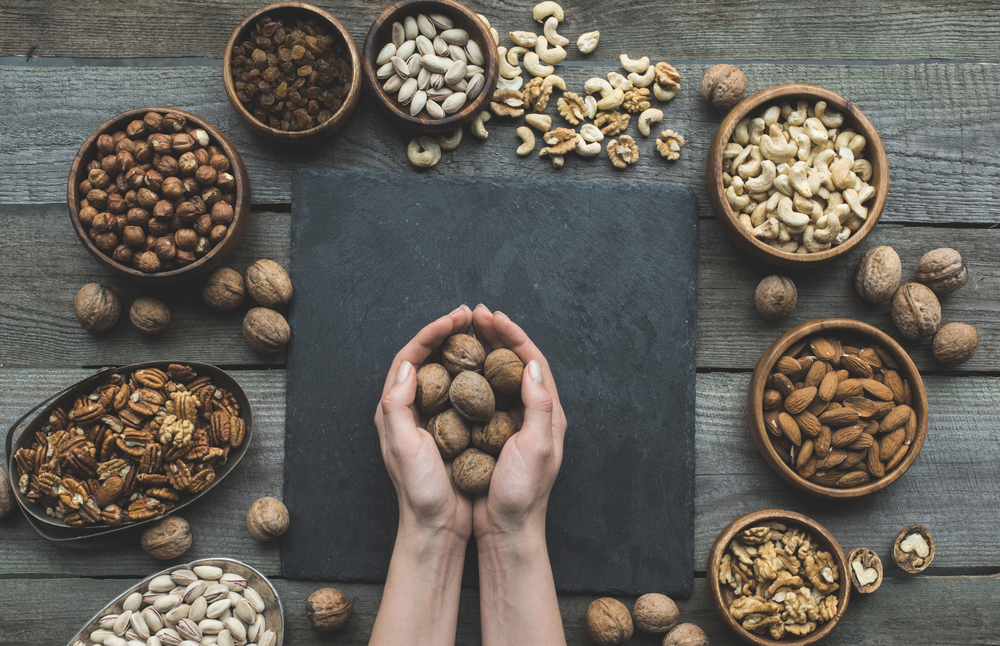
When it comes to benefiting the body in small packages, healthy sources like almonds, walnuts and pistachios comprise nature’s perfect whole food pillars from crest to feet. These satiating snacks deliver nourishing essential fats, plant protein, ample vitamins and minerals – all bound inside protective crunchy shells.
What Make Superfood Nuts Special?
- Heart Heroes – Almonds, walnuts and other nuts contain antioxidants, healthy fats and nutrients that balance cholesterol and protect artery health
- Brain Boosters – Components like vitamin E, omega fats and anti-inflammatory compounds shield cognition while fighting neurodegenerative diseases
- Blood Sugar Balancers – The fiber and plant-based protein in nuts helps stabilize insulin response and moderate fast glucose spikes
- Cancer Fighters – Selenium in Brazil nuts, and proven phenols in pecans, exhibit anti-proliferation against dangerous tumor growth
Simple Ways to Consume Daily
The winning mix of protein, healthy fats and essential vitamins inherent in nuts makes them indispensable defense boosting additions:
- Chop some pecans or walnuts to toss into your oatmeal or yogurt
- Blend soaked cashews or almonds into protein-rich plant based milk
- Spread nut butter onto apple slices or whole grain toast
- Toss lightly toasted pine nuts onto savory salads
Whenever hunger strikes, reach for a handful of fulfilling mixed nuts over less healthy fare. Your body from cells to heart will reap the superfood rewards through their unique protective one-two-punch! Explore other types of superfoods.
Superfood Nuts
Almonds
Toasted almond slivers and almond meal add a fragrant, nutty crunch while smooth almond butter supplies a satiny texture. Almonds are packed with beneficial attributes like essential manganese, antioxidant vitamin E, magnesium, riboflavin and fiber.
- GI: 0
- Calories: 163 per ounce
- Nutrients: Vitamin E, Magnesium, Riboflavin, Fiber, Calcium, Manganese, Polyphenols
- Benefits:
- Reform LDL cholesterol levels to improve heart disease risk markers
- Help regulate blood sugar and insulin sensitivity
- Provide anti-inflammatory substances linked to cancer prevention
- Boost brain health and cognition linked to lowered Alzheimer’s risks
- Disease Prevention:
- Research shows almonds significantly lower LDL levels connected to cardiovascular disease in doses as low as 1 oz daily
- Data indicates lowered instances of diabetes, obesity, pancreatic cancer
- Popular Uses:
- Snack on raw almonds or use slivered in mixes
- Spread almond butter on toast or fruit
- Use almond meal baked into pastries, breads
- Add crunch via almond crumbles on nice creams, yogurts, salads
Walnuts
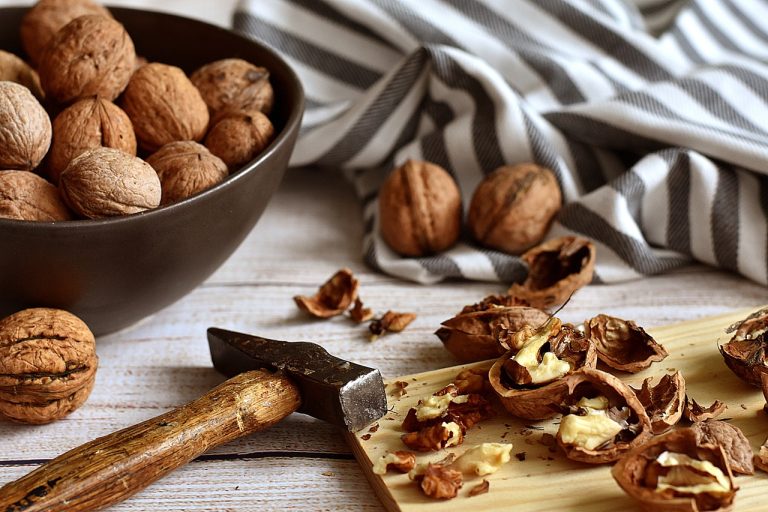
Walnuts deliver a crumbly crunch with subtly sweet nutty essence. Rich in anti-inflammatory omega-3 ALA, walnuts provide key nutrients like manganese, copper, biotin and vitamin B6. Known as a brain-boosting treat.
- GI: Low
- Calories: 185 per ounce
- Nutrients: Omega-3 ALA, Manganese, Biotin, Copper, Thiamin, Fiber
- Benefits:
- One of few plant sources of anti-inflammatory omega-3s
- Improves endothelial functioning for better vascular health
- Protect neuron health lowering risks of cognitive issues
- Helps modulate blood pressure
- Disease Prevention:
- Up to 50%+ reduced chances of heart conditions per multiple studies
- Indicated lowered diabetes incidence, breast cancer tumor growth
- Popular Uses:
- Toss whole into savory salads, baked goods
- Spread sweet nut butter on apples, toast
- Candy into brittle holiday treats
- Mix into custom trail combinations
Brazil Nuts
Beige triangle Brazil nuts offer exceptional selenium levels key for reproduction, thyroid health, DNA production and immunity along with ample vitamin E, magnesium and thiamine.
- GI: Low
- Calories: 186 per ounce
- Nutrients: Selenium, Magnesium, Thiamine, Iron, Zinc
- Benefits:
- Powerful anti-inflammatory with rich selenium content
- Preserve thyroid health regulating hormones
- Improve markers of cardiovascular health
- Aid fertility and reproductive functioning
- Disease Prevention:
- Inadequate selenium intake connected to increased risks of conditions like Kashin-Beck osteoarthropathy
- Research links Brazil nuts to inhibiting growth of cancer cells
- Popular Uses:
- Consume raw for easiest selenium absorption
- Blend into nut crusts, thick nut milks
- Add to homemade granola, energy bites
- Mix into custom trail combinations
Pistachios
Vibrant greenish pistachio nuts offer visual intrigue before revealing a tender pale kernel inside their split shells. Touted as nutritional powerhouses, pistachios contain key nutrients benefiting gut, eye and heart health.
- GI: Low
- Calories: 159 per ounce
- Nutrients: Protein, Vitamin B6, Thiamine, Copper, Phosphorus, Manganese
- Benefits:
- High antioxidant levels protecting against cell damage
- Potassium helps reduce blood pressure
- Moderate blood sugar with decent protein/fiber mix
- Lutein/Zeaxanthin boost eye/vision health
- Disease Prevention:
- Findings show 43% lowered PD risk linked to regular consumption
- Research connects pistachios improving liver health, blood lipids
- Popular Uses:
- Classic salty beer snack, used in ice cream
- Add visual appeal on salads, cheese boards
- Crust chicken/fish/tofu cutlets for crisp coating
- Sweeten into baklava, biscotti
Cashews
Buttery, slightly sweet cashew nuts supply key minerals like copper, magnesium, phosphorus and manganese important for immunity, nerves, muscles, enzymes and tissues. Their curvy shape adds aesthetic charm.
- GI: Low
- Calories: 155 per ounce
- Nutrients: Copper, Magnesium, Phosphorus, Manganese, Iron, Zinc
- Benefits:
- Copper helps form collagen, absorb iron, support melanin
- Magnesium aids hundreds of bodily processes
- Improves uptake and use of calcium for bone health
- Disease Prevention:
- Research connects cashews to reduced markers of metabolic syndrome
- Indicates potential to help prevent gallstones with healthy fats
- Popular Uses:
- Coat chicken or stir fries with cashew chunks
- Blend soaked cashews into dairy-free cream
- Sweeten meals with cashew butter
- Create rich desserts enhanced with crunchy cashews
Pecans
Rich, smooth pecan halves offer indulgent crunch detailing countless dishes with subtly sweet nuttiness. Loaded with protective antioxidants like vitamin E plus manganese, fiber, protein, pecans bolster natural defenses.
- GI: 0
- Calories: 193 per ounce
- Nutrients: Manganese, Fiber, Riboflavin, Thiamine, Zinc, Magnesium
- Benefits:
- Phenolic antioxidants prevent LDL oxidation
- Improve biomarkers for cardiovascular health
- Support healthy aging of brain & nervous tissues
- Aid stable blood sugar regulation
- Disease Prevention:
- Association with reduced instances of lethal prostate cancer
- Up to 71% lowered coronary disease death linked to frequent nut consumption
- Popular Uses:
- Bake into rich, dense cakes, tarts, cookies
- Coat with dark chocolate for a candy treat
- Crust salmon or chicken for enhanced flavor, crunch
- Use instead of croutons in vibrant salads
Macadamia Nuts
Buttery round macadamia nuts offer the highest fat content of any tree nut, supplying ample monounsaturated fatty acids promoting heart health along with a subtle sweetness perfecting desserts.
- GI: Low
- Calories: 204 per ounce
- Nutrients: Iron, Magnesium, Zinc, B Vitamins, Manganese
- Benefits:
- Beneficial monounsaturated fats protect organs
- Iron essential for blood, muscles, bodily functioning
- Magnesium aids bones, muscles, nerves, immunity
- Disease Prevention:
- Early studies link macadamias lowering markers for coronary artery disease
- Contains compounds shown to inhibit tumor growth
- Popular Uses:
- Commonly used in chewy cookies, rich ice creams
- Serve chocolate macadamia nut clusters as confections
- Spread macadamia butter on pancakes, muffins
- Coat fish and poultry before baking/frying
Hazelnuts (Filberts)
Round, rich hazelnuts tout impressive nutrient density with components like antioxidant Vitamin E, B vitamins, key minerals, protein and healthy fats contained inside their bitter dark brown skin.
- GI: Low
- Calories: 176 per ounce
- Nutrients: Manganese, Vitamin E, Folate, Fiber, Magnesium, Thiamine
- Benefits:
- Boost HDL cholesterol and lower LDL cholesterol
- Improve blood sugar regulation and insulin response
- Promote skin health and cellular functioning
- Exhibit anti-inflammatory and anti-cancer capabilities
- Disease Prevention:
- Research links eating tree nuts to 50%+ lowered stroke risk factors
- Shown to inhibit growth and proliferation of human colon cancer
- Popular Uses:
- Finely ground hazelnut meal primes rich pastries
- Blend into energizing smoothies and lattes
- Craft specialty confections like hazelnut pralines
- Spread creamy nut butter onto fruit and toast
Pine Nuts
Petite pine nuts carry mild, creamy flavor unveiling the sweet essence of the pinecone trees they derive from. Offering copper, manganese and nourishing fats, these crunchy golden seeds serve as a versatile delicacy.
- GI: Low
- Calories: 191 per ounce
- Nutrients: Unsaturated Fats, Manganese, Vitamin E, Iron, Magnesium, Phosphorus
- Benefits:
- Anti-inflammatory benefits protect cellular health
- Improve immune defenses warding off illness
- Benefit eye functioning with antioxidant compounds
- Help build and repair bodily tissues and DNA
- Disease Prevention:
- Contains compounds shown effective combating cancers
- Can help balance cholesterol ratios tied to heart health
- Popular Uses:
- Toasted pine nuts commonly top salads, pastas
- Blend soaked pine nuts into plant-based milks, sauces
- Mix into homemade energy balls and bars
- Spread pine nut butter onto crackers, fruit
Chestnuts
Warm roasted chestnuts offer comfort with their crumbly sweet potato-like meat unveiling nutritious benefits internally including vitamins C and B, potassium, folate and fiber while being lower in fat and calories than most nuts.
- GI: Medium 54
- Calories: 51 per ounce
- Nutrients: Manganese, Vitamin C, Copper, Fiber. Vitamin B6
- Benefits:
- High antioxidant levels combat oxidative damage
- Moderate blood sugar levels as lower glycemic choice
- Improve digestion through ample fiber, nutrients
- Benefit muscular functioning via minerals
- Disease Prevention:
- Compounds exhibit anti-cancer activities in lab models
- Consumption associated with lower BMI, healthier hearts
- Popular Uses:
- Roast into popular winter street food snack
- Candy into desserts like chestnut cake
- Use puree in gravies, soups for body
- Mix into wild rice dishes and stuffings
Pine Nuts
Petite pine nuts carry mild, creamy flavor unveiling the sweet essence of the pinecone trees they derive from. Offering copper, manganese and nourishing fats, these crunchy golden seeds serve as a versatile delicacy.
- GI: Low
- Calories: 191 per ounce
- Nutrients: Unsaturated Fats, Manganese, Vitamin E, Iron, Magnesium, Phosphorus
- Benefits:
- Anti-inflammatory benefits protect cellular health
- Improve immune defenses warding off illness
- Benefit eye functioning with antioxidant compounds
- Help build and repair bodily tissues and DNA
- Disease Prevention:
- Contains compounds shown effective combating cancers
- Can help balance cholesterol ratios tied to heart health
- Popular Uses:
- Toasted pine nuts commonly top salads, pastas
- Blend soaked pine nuts into plant-based milks, sauces
- Mix into homemade energy balls and bars
- Spread pine nut butter onto crackers, fruit
Chestnuts
Warm roasted chestnuts offer comfort with their crumbly sweet potato-like meat unveiling nutritious benefits internally including vitamins C and B, potassium, folate and fiber while being lower in fat and calories than most nuts.
- GI: Medium 54
- Calories: 51 per ounce
- Nutrients: Manganese, Vitamin C, Copper, Fiber. Vitamin B6
- Benefits:
- High antioxidant levels combat oxidative damage
- Moderate blood sugar levels as lower glycemic choice
- Improve digestion through ample fiber, nutrients
- Benefit muscular functioning via minerals
- Disease Prevention:
- Compounds exhibit anti-cancer activities in lab models
- Consumption associated with lower BMI, healthier hearts
- Popular Uses:
- Roast into popular winter street food snack
- Candy into desserts like chestnut cake
- Use puree in gravies, soups for body
- Mix into wild rice dishes, stuffings
Resources and Further Reading
Here are bold text bullet points with text links and descriptions of the superfood nut studies in markdown format:
- Almonds Improve Blood Lipids and Glucose – RCT data shows almonds lower LDL cholesterol and fasting blood sugars improving metabolic disease risk factors
- Walnuts Guard Against Breast Cancer – Evidence demonstrates walnut consumption inhibiting growth and spread of breast cancer cells
- Brazil Nuts Aid Thyroid Function – Analysis highlights role of selenium in brazil nuts supporting thyroid hormone balance and autoimmunity issues
- Pistachios Lower Cholesterol and BP – Study reveals pistachio diets reduce harmful blood lipid composition and support healthy blood pressure
- Cashews Can Improve Bowel Movements – Data supports use of cashew nut oil as an effective treatment for chronic constipation
- Pecans Guard Prostate Health – Evidence demonstrates pecans contain ellagitannins that prevent cell mutation contributing to prostate cancer
- Macadamias Help Regulate Blood Sugar – Findings indicate substitution of macadamia nuts for carbs blunts dangerous after meal blood sugar spikes