
In the realm of superfoods, the unassuming walnut often takes a backseat to more popular tree nuts like almonds, cashews or pistachios .
However walnuts have a remarkable nutrient profile, health advantages, and culinary versatility and are considered to be the #1 superfood when it come to nuts.
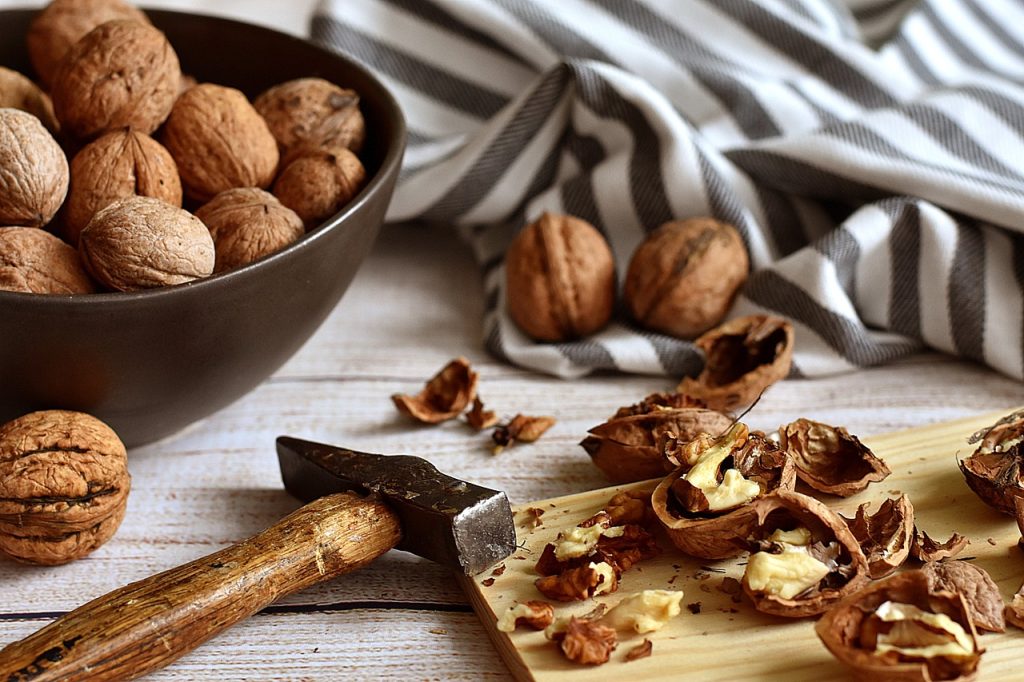
Walnuts, the Superfood Among Nuts
What Diseases Do Walnuts Help Prevent?
Research suggests that the regular consumption of walnuts may help prevent or reduce the risk of several diseases. Below are some of the diseases that walnuts may have a positive impact on:
Heart Health Champion
Numerous studies support the positive impact of walnuts on heart health. Their abundant ALA content links to reduced inflammation, improved cholesterol levels, and decreased blood pressure. Additionally, walnuts contain L-arginine, an amino acid that assists in improving blood flow and preventing arterial plaque build-up. These factors contribute to a lowered risk of heart disease, positioning walnuts as an ideal choice for promoting a healthy cardiovascular system.
- Walnuts are rich in omega-3 fatty acids, which are known to improve cardiovascular health by reducing inflammation, lowering blood pressure, and decreasing levels of LDL (“bad”) cholesterol.
- The antioxidants present in walnuts may protect against the oxidative damage that contributes to the development of atherosclerosis (plaque buildup in the arteries).
- A new study suggests that the heart-healthy benefits of walnuts may be linked to changes in the gut microbiome. Introducing walnuts into the diet may alter the mix of gut microbes in a way that increases the body’s production of the amino acid L-homoarginine.
Brain Boosting Benefits
Walnuts’ brain-boosting benefits cannot be overstated. Often referred to as “brain food,” their high concentration of omega-3 fatty acids and antioxidants fosters optimal brain function and defends against age-related cognitive decline. Furthermore, walnuts serve as a good source of vitamin E, linked to improved cognitive performance and memory preservation.
- Omega-3 fatty acids in walnuts are associated with improved brain function and may help prevent age-related cognitive decline.
- Walnuts contain antioxidants that may protect brain cells from oxidative stress, which is linked to neurodegenerative diseases such as Alzheimer’s disease.
Cancer Prevention
- Walnuts contain compounds such as ellagitannins and urolithins, which have been studied for their potential anti-cancer properties.
- Some research suggests that walnuts may have protective effects against certain types of cancer, including breast, prostate, and colorectal cancer.
Diabetes and Weight Management
Walnuts also excel in diabetes management and healthy weight maintenance. Their low glycemic index ensures no rapid spike in blood sugar levels, making them a suitable snack for diabetics. Moreover, their high fiber and protein content promotes satiety, curbing appetite, and discouraging overeating.
- The fiber and healthy fats in walnuts can help regulate blood sugar levels, which is beneficial for individuals with or at risk of developing type 2 diabetes.
- Some studies have indicated that walnut consumption may improve insulin sensitivity, a key factor in the prevention and management of type 2 diabetes.
Making Walnuts a Delicious Part of Your Everyday Eating
If you’re a fan of walnuts, you’re in luck! These tasty little gems are not only packed with nutrients, but they’re also super versatile and can be enjoyed in so many ways. Whether you’re a busy parent looking for quick snack ideas or a foodie experimenting with new flavors in the kitchen, walnuts can easily find a place in your daily eating routine. So, let’s get creative and explore some fun and appetizing ways to make walnuts a regular part of your meals and snacks. Trust us, your taste buds will thank you!
- Snack on Them: Enjoy a handful of raw or roasted walnuts as a nutritious and satisfying snack between meals.
- Top Your Salads: Add a sprinkle of chopped walnuts to your salads for extra crunch and flavor.
- Enhance Your Yogurt: Mix walnuts into your yogurt or cottage cheese for added texture and a boost of healthy fats.
- Bake with Walnuts: Incorporate walnuts into your favorite baked goods, such as muffins, cookies, and banana bread.
- Blend into Smoothies: Add a handful of walnuts to your smoothies for added creaminess and a dose of healthy fats
- Create Nut Butter: Blend walnuts in a food processor to make your own walnut butter, which can be spread on toast or used in recipes.
- Upgrade Your Oatmeal: Stir chopped walnuts into your morning oatmeal or cereal for added crunch and nutrition.
- Include in Trail Mix: Combine walnuts with other nuts, seeds, and dried fruits to make a homemade trail mix for on-the-go snacking.
- Garnish Your Dishes: Use walnuts as a garnish for cooked dishes, such as roasted vegetables, pasta, or risotto.
- Incorporate into Pesto: Use walnuts as a substitute for pine nuts in pesto sauce for a unique and delicious twist.
Nutrient Powerhouse
Walnuts excel in providing vital nutrients, including omega-3 fatty acids, antioxidants, vitamins, and minerals. They contain high levels of alpha-linolenic acid (ALA), a plant-based omega-3 fatty acid necessary for maintaining heart health and reducing inflammation. Walnuts also offer a significant amount of polyphenols, potent antioxidants that neutralize harmful free radicals and protect against cellular damage.
- Omega-3 Fatty Acids: Walnuts are a rich source of omega-3 fatty acids, particularly alpha-linolenic acid (ALA). Omega-3s contribute to heart health and support brain function.
- Antioxidants: Among nuts, walnuts have one of the highest levels of antioxidants. These compounds help protect the body from oxidative damage and reduce the risk of chronic diseases.
- Fiber and Protein: Walnuts contain dietary fiber and protein, both of which contribute to feelings of fullness and support digestive health.
- Vitamins and Minerals: Walnuts provide essential vitamins and minerals, including vitamin E, magnesium, and phosphorus.
Culinary Versatility
Walnuts hold a special place in the culinary world due to their incredible versatility. Enjoy them raw, toasted, or included in an impressive range of dishes, from salads and yogurt parfaits to baked goods and pesto sauces. Their rich, earthy flavor complements both sweet and savory ingredients, allowing them to enhance all types of cuisine.
In conclusion, walnuts reign supreme as the best superfood among nuts. Their exceptional nutrient profile, heart-healthy benefits, brain-boosting properties, and culinary adaptability render them an indispensable component of a well-rounded, health-conscious diet. The next time one seeks a nutritious snack or a delectable addition to a favorite meal, walnuts provide the answer, never disappointing.
The evidence for some of the disease-prevention effects of walnuts comes from observational and laboratory studies, and more research is needed to establish causal relationships and determine optimal consumption levels.

